
Offer Great Campus Dining to Fuel Student Success

Offer Great Campus Dining to Fuel Student Success
When people think of what drives success on a college campus, they might think of supportive, helpful professors and well-stocked libraries. While those things are certainly important, there’s something we tend to overlook.
What fuels students’ success (quite literally) is the food they eat every day. Nutrition impacts so much of students’ lives, including their focus, memory, mood, and ultimately their GPA.
To care for students’ wellbeing, it’s important to have access to the right food on campus. Unfortunately, higher education institutions are increasingly facing challenges in supporting student well-being. Nearly half of U.S. college students experience food insecurity at some point in their academic careers. Many report that campus dining doesn’t meet their needs. But, with the right approach, campus dining programs can be powerful tools to support academic performance and student well-being.
Let’s take a closer look at why nutrition matters to students, what students want from their foodservice providers, and how Canteen can help your campus deliver exactly that.
How Does Nutrition Impact Academic Performance?
When students are food insecure, they have far more to worry about than their pending exam score. They’re hungry and might not know exactly where their next meal is coming from or when they’re going to get it. According to national estimates, about 44% of American college students are food insecure, more than four times the rate seen in the general population. Having accessible, affordable options on campus is all the more important to support students’ well-being.
In turn, food insecurity measurably impacts academic performance. According to a study published in the National Library of Medicine, food-insecure students average a 3.33 GPA while food-secure students averaged a 3.51 GPA. It may seem like a relatively small gap at first, but it can lead to fewer scholarships, less confidence, and far more stress both in and out of the classroom.
Beyond the numbers on paper, students who are forced to skip meals can have a generally hard time with academics. Skipping meals, especially breakfast, can reduce alertness, impair memory, and slow down problem-solving skills. This makes it all the more difficult to study and learn. Food also provides key nutrients like vitamin B, folate, iron, and calcium. A lack of these nutrients are linked to fatigue, anxiety, and mood disturbances.
When students can’t regularly access balanced meals, it’s harder to stay focused in class, complete assignments, or participate fully in campus life.
What Students Want from Campus Dining
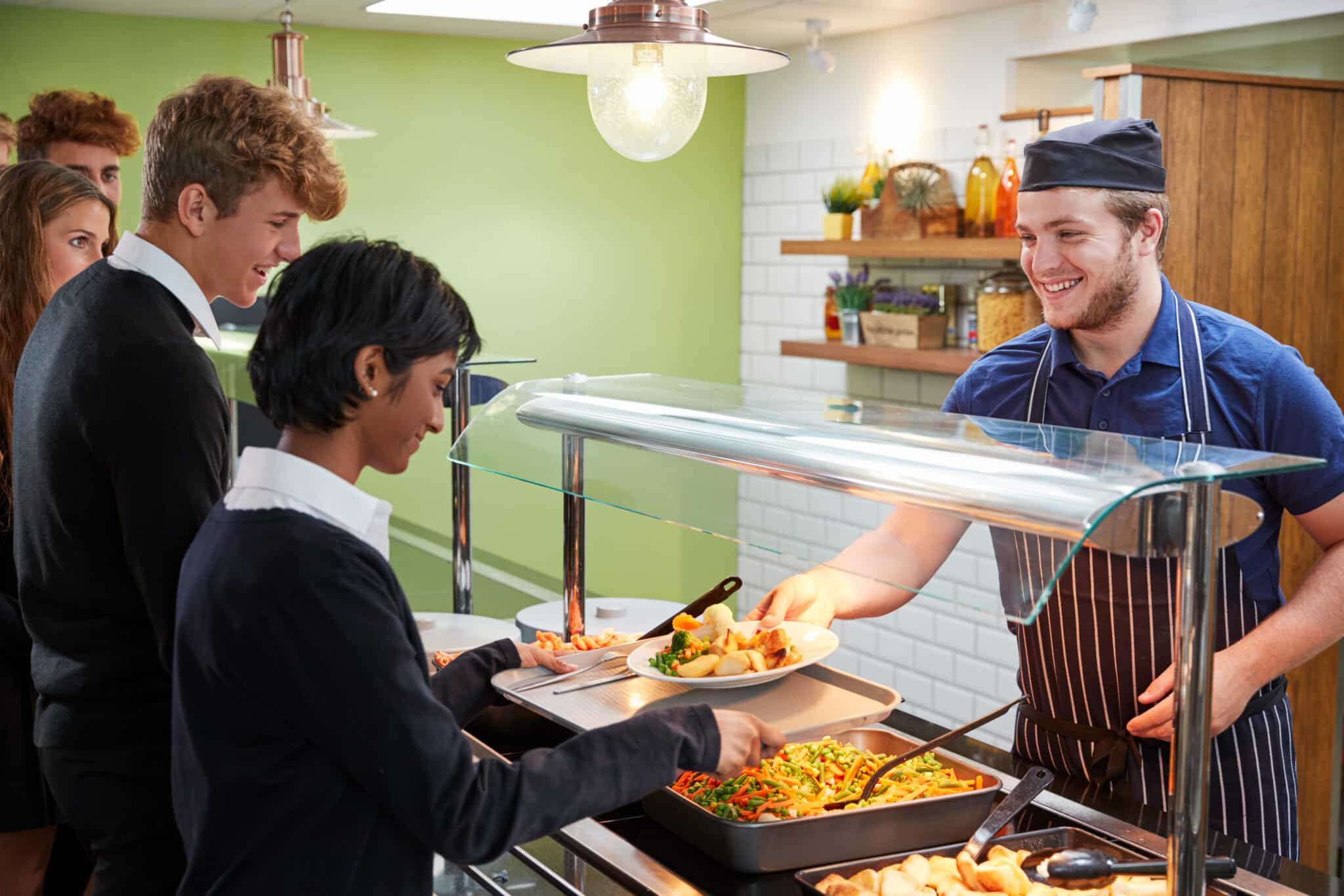 Today’s students have made what they want clear. Students prefer fresh, balanced meals that fit their lifestyle, values, and budget. Higher education student surveys consistently highlight students’ primary priorities.
1. Variety and Balanced Nutrition
Students want more than your typical cafeteria options. It shouldn’t all be pizza, pasta, and continental breakfast. They want globally inspired dishes, plant-based and flexitarian options, and meals that accommodate dietary restrictions like vegetarian, vegan, gluten-free, and religious dietary needs.
One study found that 57% of students want global or regional cuisine on campus, and 15% prefer plant-based or flexitarian menus. This variety not only keeps dining interesting but also ensures that dining facilities are meeting students’ nutritional needs.
By implementing exciting and nutritious culinary concepts and food stations that cater to students’ needs for variety and health-conscious foods, you can make a real difference to the people on your campus.
2. Flexible Hours and On-Demand Access
College schedules don’t follow a traditional 9-to-5. Students don’t even have the same schedule as each other. Some have classes early in the morning while others have them well into the night. And they need on-campus dining hours to reflect their unconventional schedules. Nearly half of students want dining halls to open earlier or stay open later, and 39% say they’d like continuous service throughout the day.
Students also cite convenience as the single biggest reason they choose to eat on campus, with 65% saying it’s the top driver for using dining facilities.
You don’t need to put all your eggs in one basket, either. You might not have the infrastructure or manpower to keep a dining facility running 24/7. This is where on-campus vending and markets can deliver the experience your cafeterias can’t. Unattended retail solutions are available all day and night, making the perfect solution for early mornings or late night study sessions. They’re also affordable alternatives to meal plans and may better support students from low-income backgrounds.
3. Technology Integration
Students today expect dining to be tech-enabled. They appreciate integrated technology like mobile menus, nutritional information apps, self-checkout kiosks, and contactless payment.
Over 50% of Gen Z, the generation making up the majority of the current college student population, have used delivery platforms or aggregator apps for meals. And 41% say they would switch providers for a smoother digital experience. As we mentioned before, convenience is key, so it makes sense that people on campus are looking for a quick and easy way to get their food that’s both convenient and cost-efficient.
4. Freshness, Quality, and Value
While students have made it clear they want variety in their meals, they tend not to prefer novelty. Most students prioritize the taste, freshness, and value of food over unusual or new ingredients.
You might have some changes to make. According to a survey from Inside Higher Ed, 37% of students believe their campus dining needs improvement. And it won’t just make students happier, it might also entice more students to purchase a meal plan.
According to Technomic’s College and University Consumer Trend Report, 77% of students who don’t have a meal plan said that better quality, greater variety, and improved convenience would persuade them to sign up. That could be a big opportunity for campuses to win over more students.
Benefits of Improving On-Campus Dining

When college and university campuses invest in the well-being of their students through student-centric dining, the benefits extend far beyond the plate.
Here are some additional benefits of enhancing the dining experience on your campus:
- Improved Academic Performance: Students perform their best when they have the right food fueling their bodies and brains. Good nutrition improves college students’ focus, energy, and mood which can all affect how they perform in the classroom. Ultimately, better nutrition helps narrow the GPA gap between food-secure and food-insecure students.
- Better Mental Health: We know that healthy foods support our physical health, but they also support our mental health. Our guts produce over 90% of our body’s serotonin, the neurotransmitter that produces feelings of happiness and well-being. Nutrient-rich meals support stable moods, reduce fatigue, and improve resilience. This is especially important as higher education institutions face rising concerns about student mental health. In 2025, 70% of students have struggled with mental health since starting college, according to a U.S. News/Generation Lab report.
- Higher Meal Plan Participation: Quality, convenience, and value encourage more students to enroll in meal plans. More students can then have access to convenient, nutritionally fulfilling meals that will help them bring their best selves to the classroom and achieve academic success.
- Stronger Campus Community: Dining spaces that reflect student tastes and priorities become social hubs and give groups of peers a sense of belonging. Food brings people together, and many can have a conversation over a good meal and stay connected.
Key Recommendations for Campus Dining Success
For universities and colleges looking to improve dining services, implementing these strategies can help:
- Prioritize Breakfast and Nutrient-Dense Meals: Give students the fuel they need to get through their days. Consider extending your dining hall hours to earlier in the morning or later in the evening or install unattended retail solutions so students can eat at any time.
- Offer Variety: Consider incorporating seasonal menus, global cuisine, and plant-based options. Keep your student body in mind. With a multitude of backgrounds, students may need food that aligns with their dietary restrictions or cultural or religious practices.
- Include Unattended Retail: Add micro markets with grab-and-go food options for maximum flexibility. Study hours can be at any time, and many people need brain food at any given time.
- Integrate Technology: Include technology with mobile ordering, nutritional transparency, and touchless payment. In an increasingly digital world, younger generations tend to stay on the cutting edge of technology.
- Gather and Act on Feedback: Ensure your campus dining meets evolving student needs. Students want to know that their voices matter, so listen to what they have to say and see what your campus can reasonably implement.
- Make Dining Affordable: Try creating meal plan incentives and programs that reduce food insecurity.
- Connect Food and Wellness: Introduce programming that supports mental health and academic focus.
How Canteen Helps Campuses Deliver
Meeting these expectations takes more than adding a few new menu items. It requires a thoughtful, student-centered dining strategy. This is where Canteen shines.
Varied, Seasonal, and Balanced Menus
Canteen designs menus that are nutritionally balanced and appeal to a variety of people, offering everything from plant-based entrees to globally inspired dishes. Seasonal rotations keep menus fresh and exciting, while allergen-friendly and high-protein options ensure all students can find something that meets their needs.
Flexible, 24/7 Access
Through self-checkout micro markets with grab-and-go offerings, Canteen provides around-the-clock access to healthy snacks and meals. This directly supports students with late-night study sessions, early morning labs, or nontraditional class schedules.
Tech-First Dining Experience
With mobile menus, nutritional transparency, contactless payment, and self-service kiosks, Canteen offers the digital experiences students expect. That makes dining faster, easier, and more engaging.
A Wellness-Focused Approach
Canteen integrates wellness programming into campus dining spaces, encouraging healthy eating habits and connecting food to mental health and academic performance. Nutrition-focused culinary concepts like Chef’s Table, the Main Dish, and Salad Studio close the nutrient gaps that impact concentration and mood.
Student-Driven Innovation
Regular surveys, feedback loops, and focus groups ensure dining evolves with student preferences. From adjusting menus to expanding service hours, Canteen works in partnership with campuses to keep offerings relevant and well-received.
Nutrition is a cornerstone of student success, but it’s often overlooked. It’s an important part of the college experience that we need to address. With nearly half of students facing food insecurity, campus dining programs have a unique opportunity and responsibility to bridge that gap.
Students want meals that are fresh, balanced, convenient, and tech-enabled, all at a fair price. By partnering with a provider like Canteen, campuses can meet these needs, improve student satisfaction, and directly support better academic outcomes.
When dining is designed around students, everyone wins. Support your students’ wellness and nutritional needs with upgraded food service that positively impacts your campus. Get started with Canteen today.